varenna (lc) _ località fiumelatte
2012-2014
historic villa _ park, boathouse
2,663 sqm plot | 1,750 sqm living space
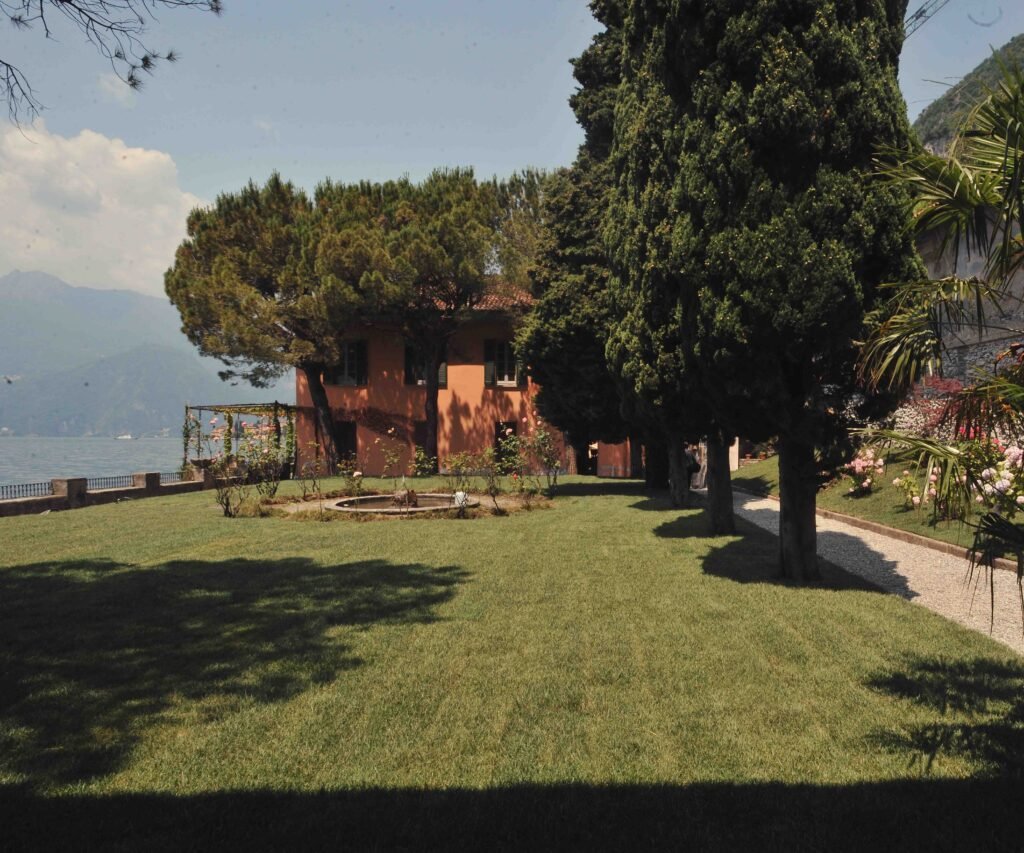
Villa Capoana is one of the oldest villas on the entire Lake Como; located in Fiumelatte, a locality within the municipality of Varenna, in the province and along the lakeshore of the Lecco branch.
It was built in 1605 by Ercole Sfrondati, Duke of Monte Marciano, likely on the remains of the ancient Roman villa of Pliny the Elder. It later became the property of Duke Serbelloni and attracted the interest of poets and intellectuals of the time, who wrote and celebrated its enchanting beauty.
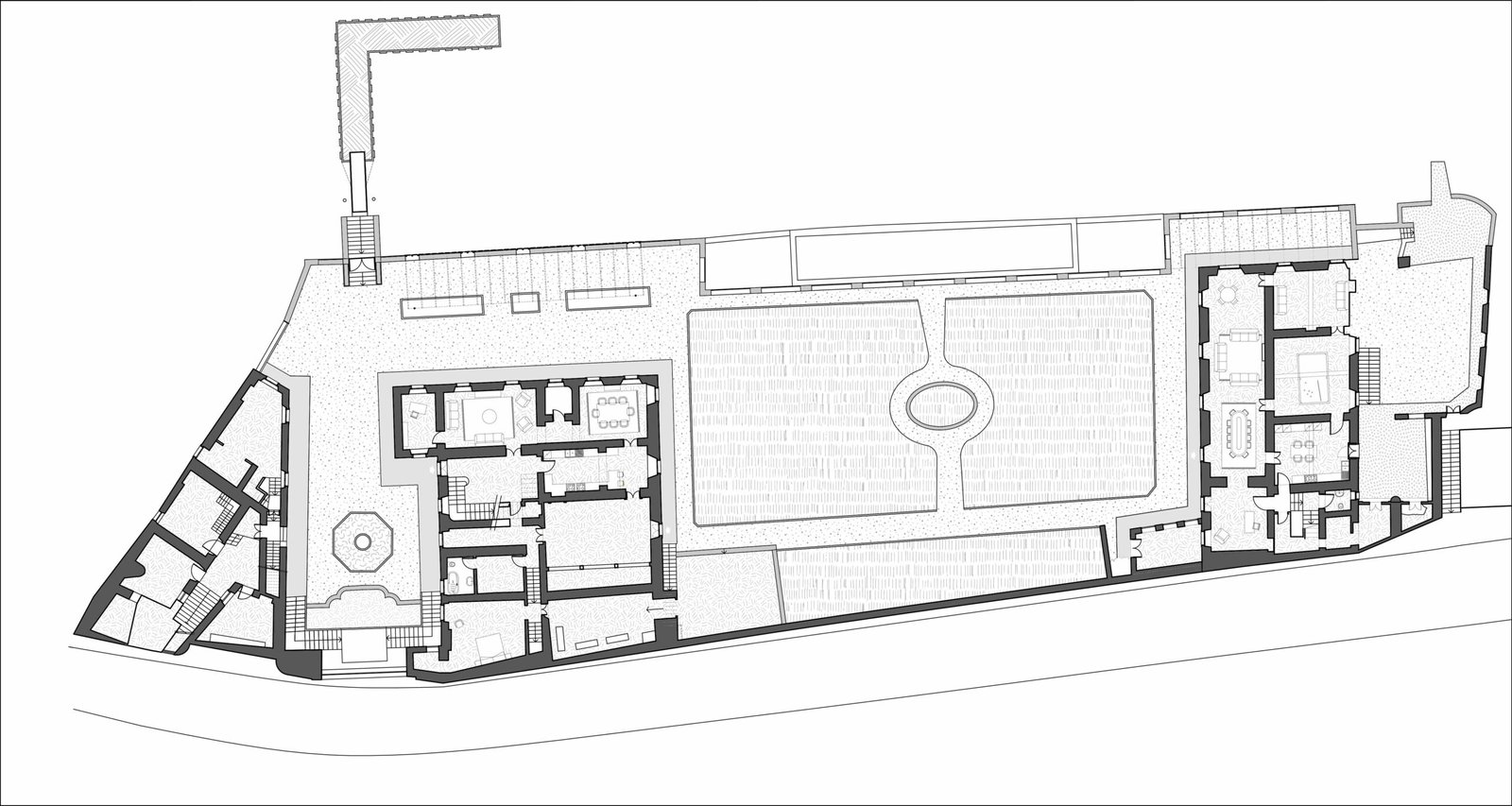
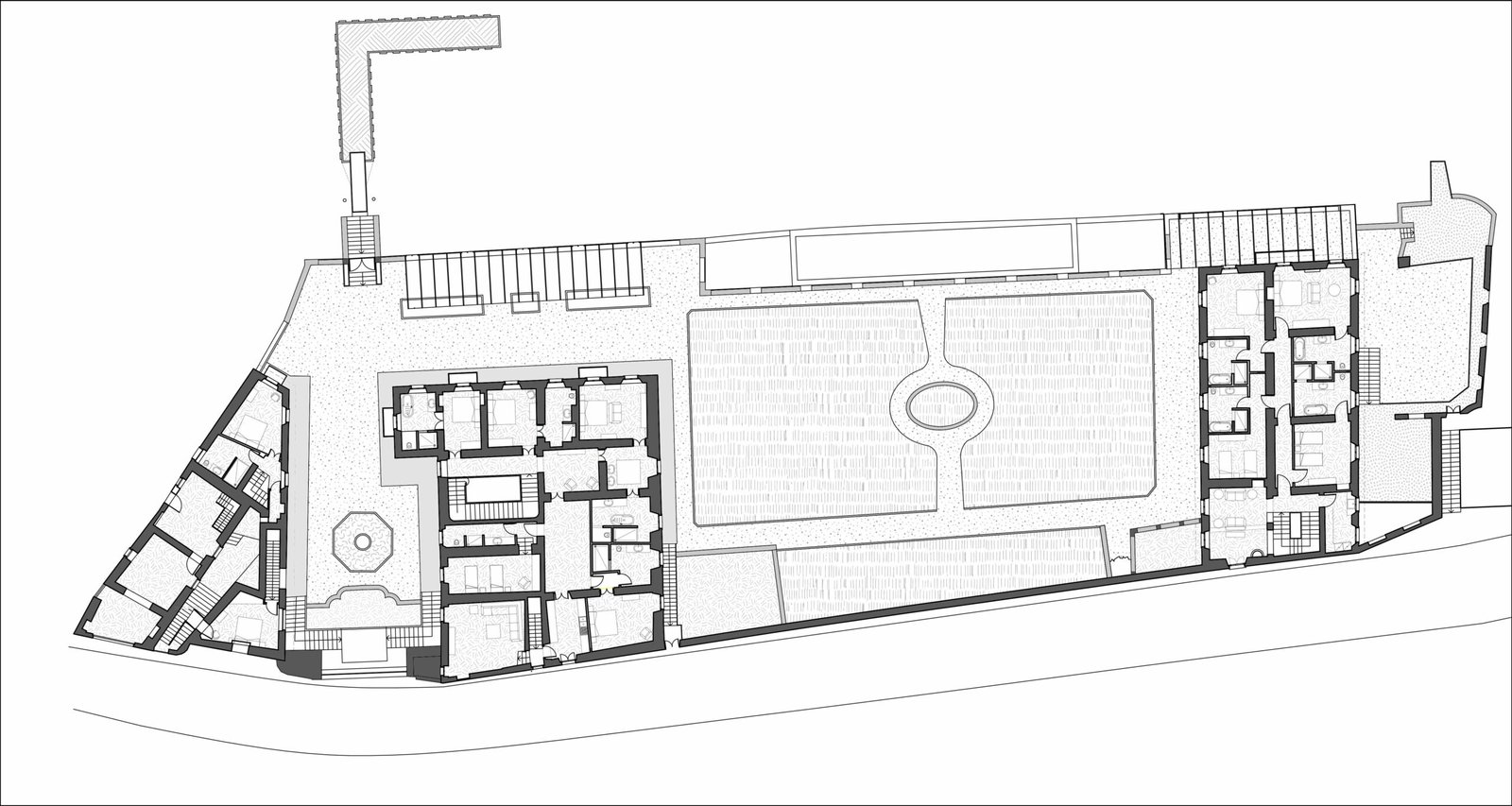
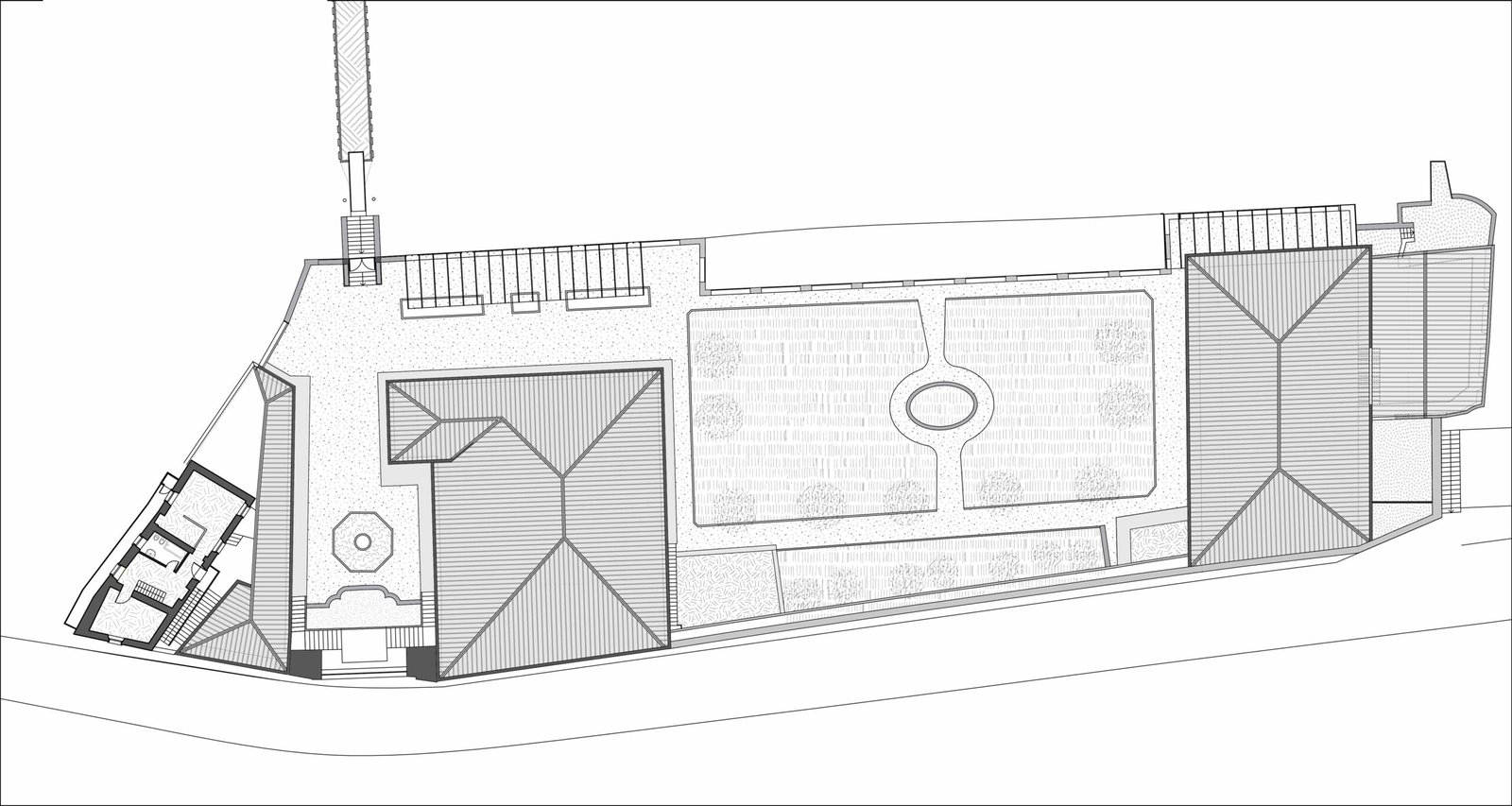
The villa, under the protection of the fine arts authority, is composed of three separate buildings, a large boathouse that still accommodates boats up to 7 meters in length, an extensive and richly planted park surrounding the property and overlooking the lake towards Bellagio, a historic fountain that collects the waters of Fiumelatte — the second shortest river in Italy — a nymphaeum characterized by Doric columns, and a basin decorated with artificial rocks.
In the early 19th century, when the so-called military road was built, Villa Capoana was separated from the fountain — which remained above this newly constructed road. Within the property, near the pedestrian entrance, a basin still collects the waters of the stream and leads into the estate itself.Nei primi anni del XIX secolo, quando venne costruita la strada cosiddetta militare, la villa Capoana venne divisa dalla fontana - rimasta al di sopra di questa stessa nuova strada. Nella proprietà insiste ancora la vasca, in prossimità dell’entrata pedonale, che raccoglie le acque del torrente e conduce all’interno della proprietà stessa.
The conservative restoration and enhancement of the entire Villa Capoana complex was commissioned to carcanoStucchi studio in 2012. Work began only after thorough analysis and research conducted by specialized collaborators. Detailed assessments of the buildings’ condition were carried out, followed by intervention proposals aimed at preserving the maximum value of the property.
The construction site involved the central building and the two lateral wings, one of which includes the boathouse, with interventions carried out both internally and externally. The façades presented painted layers affected by flaking, color loss, stains, streaking and weathering, both on plain surfaces and decorative elements, to the extent that some coats of arms and ornaments were fragmented and difficult to interpret. Certain façades also showed deterioration due to structural issues, resulting in cracks of considerable depth and extent. plaster, finishing layers and paint coatings had been applied over different periods and could be identified through detailed analysis.
The intervention phase included the implementation of solutions aimed at securing the structure and its finishing layers, as well as actions to restore and preserve the health of the masonry and related surfaces. breathable plaster systems were applied, cracks were filled, areas affected by biological growth and staining were cleaned, synthetic paints were removed, and surfaces were treated with lime- or silicate-based finishes in tones consistent with the original ones.
An intensive and meticulous effort was also dedicated to the interior spaces, alongside the work carried out on the exteriors. The initial focus was on improving hygienic and sanitary conditions and enhancing the functional layout of the interiors. Furthermore, interventions were carried out to ensure the health of slabs and underground spaces through the creation of ventilated crawl spaces, along with the installation of a complete heating system replacing the existing wood stoves.
Regarding the restoration of finishing materials (such as floors and wall coverings), replacement was chosen in areas where original materials had already been substituted with more recent ones that altered the historical and local character of these elements. wooden and terracotta floors laid in herringbone patterns were introduced, marble flooring in a checkerboard layout for bathrooms, locally sourced stone with bush-hammered finish for the existing staircase cladding — recalling traditional techniques — wrought iron railings, and walls finished with light and pastel tones, except for bathrooms and kitchen, which were treated in polished plaster with colors harmonized with the ceilings. The latter underwent significant restoration due to inappropriate past interventions that had completely concealed them, making them invisible. They were brought back to light according to the original designs, requiring substantial effort and investment.
The aim of these interventions was to remove the superimposed additions accumulated over time, repair damage caused by the lack of regular maintenance, and equip the building with systems suitable for the needs of the new owners and compliant with current regulations.
All with the objective of restoring the value, importance of a historic complex of exceptional cultural and local significance.
Today, the villa serves new purposes compared to its past — a luxury hospitality structure offering exclusive panoramic views over the shores of Lake Como.